How Many Cushions Are Too Many? Sofa and Bed Styling Made Simple

Styling cushions on sofas and beds seems simple, but choosing how many you need, where to place them, and what looks intentional versus cluttered often feels harder than it should.
Cushions add comfort and personality to a room, but too many can overwhelm a space and make seating feel crowded. With clear guidance on placement, proportion, and layering, you can style pillows in a way that feels designed, calm, and purposeful — not heavy or chaotic.
When you focus on balance, scale, and how you actually use your seating and bedding, the right cushion setup becomes obvious.
Best Places to Shop
- Amazon – Huge selection, fast delivery, pillows for every budget and style.
- Target – Affordable finds, great neutral basics, easy returns.
- Wayfair – Massive variety of decorative and lumbar pillows with frequent sales.
- West Elm – Modern styles, quality fabrics, great for curated looks.
- Pottery Barn – Classic designs, premium inserts, timeless textures.
- Crate & Barrel – Clean, contemporary cushions with elevated finishes.
- Anthropologie – Statement pillows, unique patterns, artisan details.
- IKEA – Budget-friendly inserts and covers, easy to mix and match.
How to Choose
Start With Purpose
Before you worry about colors and fabrics, think about why the cushion is there.
Are they meant for everyday comfort?
Are they mostly decorative?
Will kids or pets be interacting with them?
Cushions on sofas should be comfortable enough to lean into. Cushions on beds should add warmth and visual interest.
When purpose drives your picks, the rest becomes easier.
Pillow Inserts Matter More Than You Think
Most people focus on covers and forget what’s inside. But inserts control how your pillows sit, hold shape, and feel when you lean back.
If your pillows look flat or tired, it’s usually the insert, not the cover.
A simple designer rule:
Choose inserts that are 1–2 inches larger than your pillow cover. This creates a fuller, more expensive-looking finish.
Common insert types:
- Down or feather – Soft, squishy, relaxed (best for sofas and beds)
- Down alternative – Similar feel without feathers, easier care
- Polyfill – Budget-friendly but flattens faster
- Memory foam blends – Supportive, good for back cushions
For decorative pillows, feather or down-alternative inserts tend to look best because they create that slightly “chopped” designer shape at the top.
If comfort matters more than looks, go with firmer inserts for back support and softer ones for layering.
Mixing firmness levels across your pillows keeps seating comfortable without looking stiff.
How Many Cushions Should You Have?
There isn’t one rule for every space, but a simple ratio keeps things looking intentional:
| Furniture piece | Ideal number of cushions |
|---|---|
| Two-seat sofa | 2–4 cushions |
| Three-seat sofa | 4–6 cushions |
| Sectional sofa | 5–7 cushions |
| Double bed | 3–5 total (including sleeping pillows) |
| King bed | 4–6 total (including sleeping pillows) |
If you find yourself removing cushions just to sit down, that’s usually a sign you have too many. Always prioritize comfort and function first, style second.
Sofa Cushion Placement
Start from the outside and work inward.
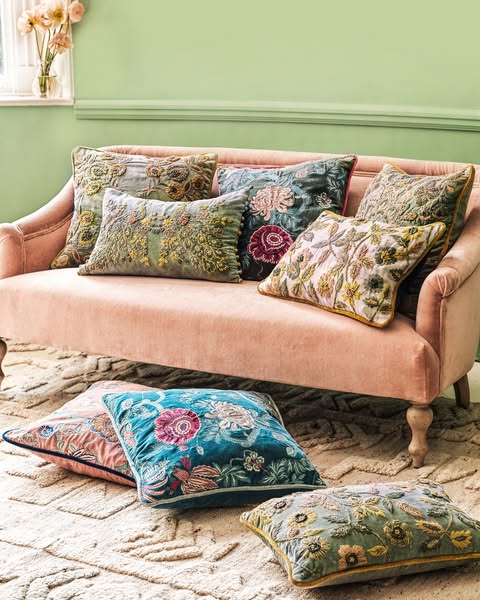
Put your largest cushions at the back — they provide support and set the scale. Layer medium or patterned cushions in front. A single small accent cushion in the centre can finish the look.
A classic sofa setup might look like:
- Two large back cushions at the corners
- One or two medium cushions inside
- One smaller cushion for color or texture
Odd numbers tend to look more relaxed and intentional, while even numbers feel more symmetrical and formal.
Everyday Comfort and Use
Your sofa should still feel comfortable and easy to use.
Think about how you sit on it day-to-day. If you watch TV, lean back against the cushions; if you curl up, make sure they’re soft enough to sink into.
Tips for comfort:
- Choose soft inserts like down or feather-blend for lounging areas
- Mix textures — linen, cotton, velvet and boucle play well together
- Use removable covers so cleaning is simple
Bed Cushion Styling
On beds, cushions are primarily decorative, so you can be a little more flexible.
A balanced bed setup often includes:
- Sleeping pillows at the back
- Two larger cushions in front
- One feature cushion or lumbar pillow at the front
You don’t need layers upon layers unless you love that look. Often less feels more luxurious.
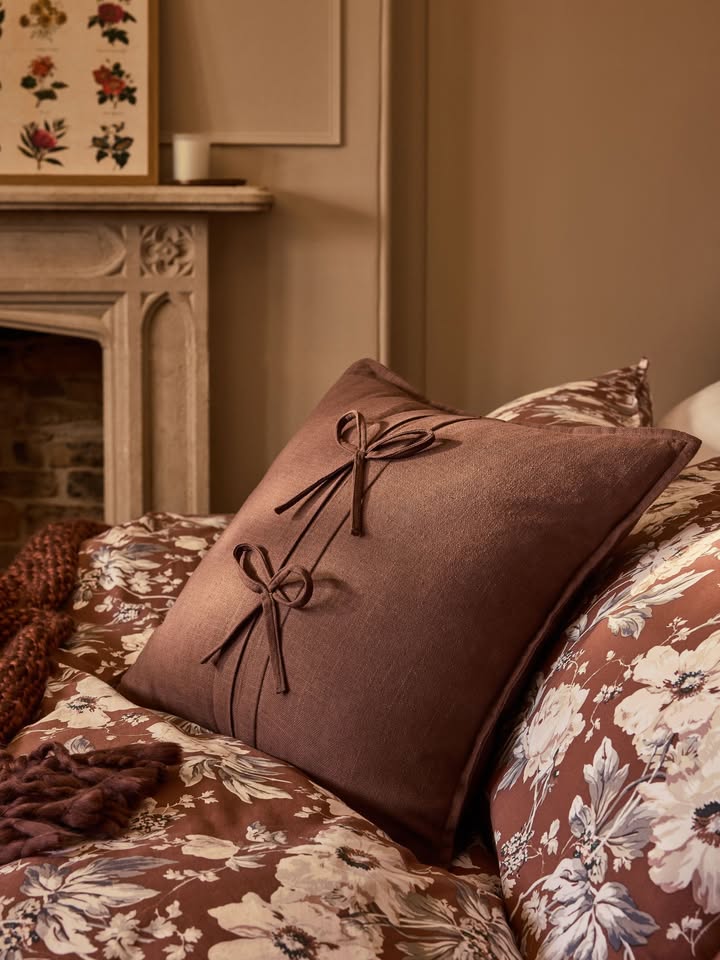
A simple styling trick is to match the cushion tones with your bedding or throw. This creates cohesion and makes the whole bed feel intentional.
Matching Cushions With Decor
Your cushions should support your room, not fight it.
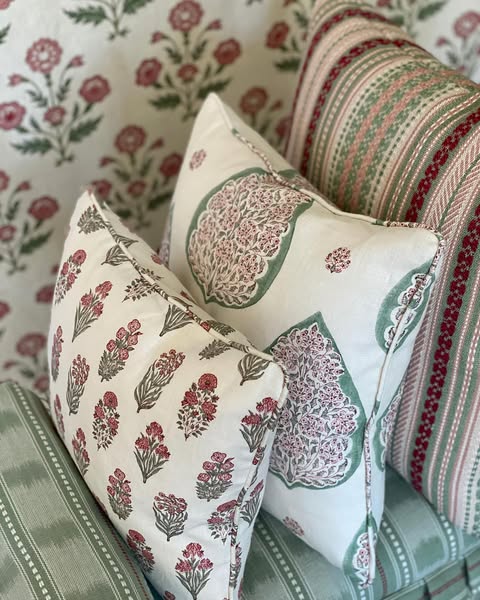
Pull colors from existing elements like rugs, curtains or artwork. You might:
- Match a secondary color from your area rug
- Pick neutral tones to complement wood furniture
- Use one patterned cushion to anchor a color palette
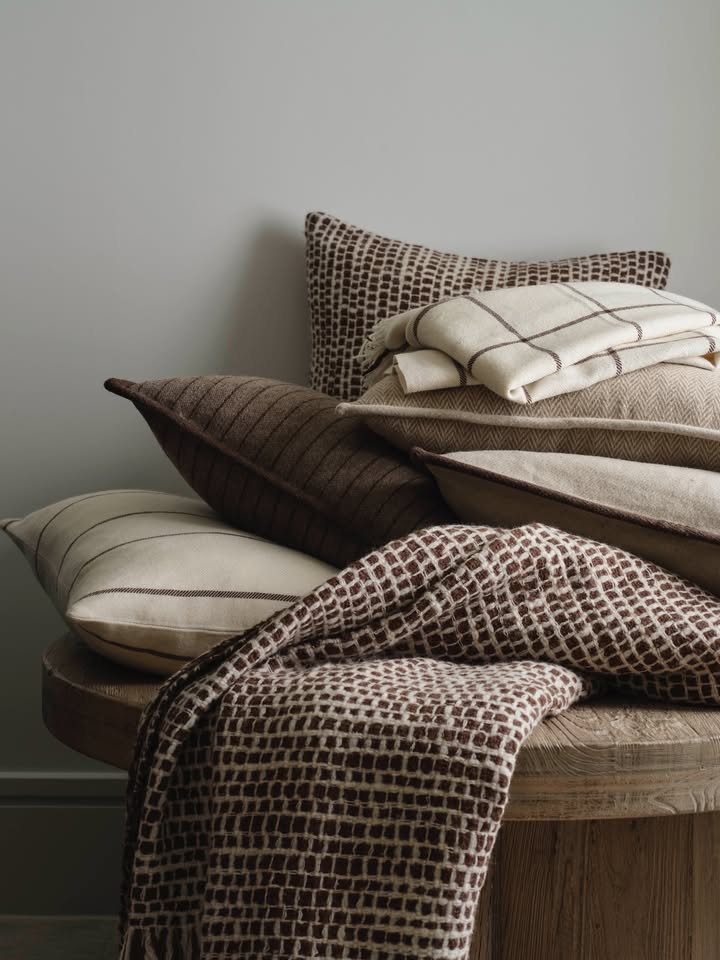
Texture matters more than loud patterns in many modern spaces. A simple woven cushion can add depth without distraction.
Design tips for cohesion:
- Use one bold cushion and keep the rest soft neutrals
- Choose fabrics that coordinate with other textiles in the room
- Replace or rotate covers seasonally for a fresh feel
When Fewer Cushions Is Better
In smaller spaces, too many cushions can feel busy.
If your sofa looks crowded, pull one or two cushions off and see how it feels. Sometimes editing is all it takes.
Minimal setups often include:
- Two larger cushions instead of three smaller ones
- Matching pairs for calm balance
- Neutral tones that recede into the room
Recall: Blank space is just as powerful as cushions themselves.
Simple Styling Mistakes That Make Pillows Look Messy
Even good pillows can look wrong if they’re styled poorly.
Here are common mistakes to avoid:
Using too many patterns at once
Stick to one main pattern, then balance with solids or subtle textures.
All pillows the same size
Mix large, medium, and lumbar pillows to add depth.
Pushing everything flat
Let pillows lean slightly. A relaxed arrangement feels more inviting.
Ignoring color flow
Pull colors from your rug, curtains, or artwork to create cohesion.
Overfilling small sofas
If your couch feels crowded, remove one pillow. Comfort always comes first.
A good rule:
If you have to move pillows every time you sit down, you have too many.
How Often Should You Replace Pillows?
Pillows don’t last forever, even decorative ones.
Over time, inserts lose volume and covers fade or stretch. When this happens, your sofa or bed starts to look tired, even if everything else is styled well.
As a general guide:
- Decorative pillows: replace inserts every 2–3 years
- Bed pillows used for sleeping: every 18–24 months
- Covers: whenever they lose shape, color, or texture
If your pillows won’t fluff back up or feel lumpy, it’s time.
A quick refresh trick:
Keep your covers and simply replace the inserts. It costs less and instantly updates the look.
Seasonal swaps also help. Lighter fabrics for spring and summer, heavier textures for fall and winter make your space feel refreshed without buying new furniture.
Final Thoughts
Cushions are there to make your home feel more comfortable and intentional. They don’t need to be perfect, just well proportioned and purposeful.
Start with scale and comfort, then think about texture and color. Keep numbers balanced, and let the room guide your choices.
When cushions feel like part of the space not extra weight they do their job beautifully.