20 Stunning Wood Kitchen Ideas: Modern and Classic Inspirations to Transform Your Space

Wood is one of those kitchen choices I keep coming back to, no matter what trends come and go. There’s something about it that just makes a kitchen feel like a kitchen, warm, lived-in, real. It doesn’t matter whether your home is a modern build or a century-old farmhouse, wood has a way of fitting in and making everything feel more grounded.
What I love most is how versatile it is. Wood can be sleek and contemporary or rustic and cozy depending on how you use it. You don’t need to go all-in either. Sometimes a single wood element, a shelf, an island, a ceiling beam, is all it takes to completely change the mood of a space.
I’ve pulled together 20 of my favorite wood kitchen ideas covering every style and budget. Whether you’re planning a full renovation or just looking for small ways to add warmth, there’s something here for you.
Open Shelving with Natural Wood Accents
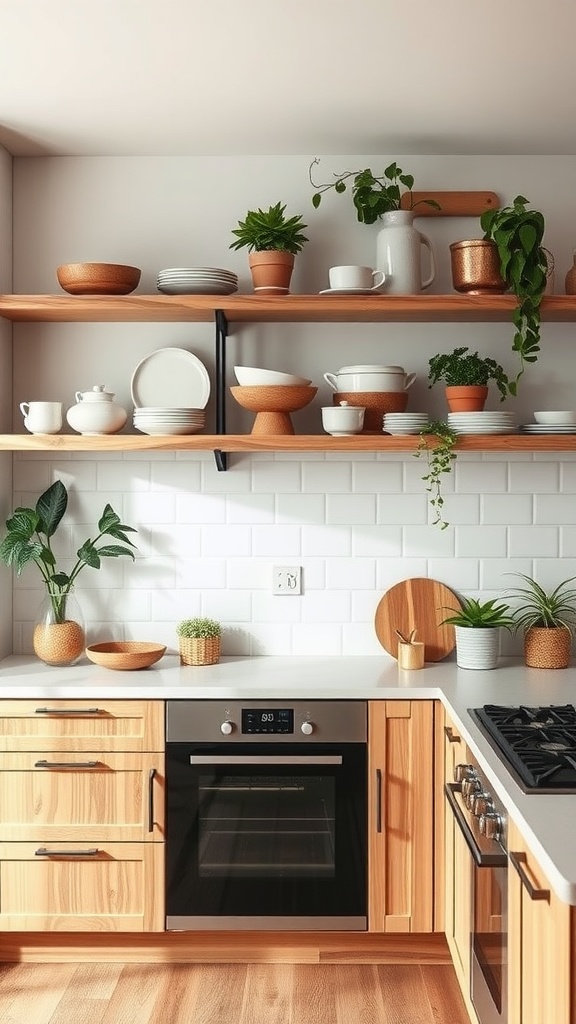
Open shelving works so well in kitchens because it creates a sense of airiness that closed cabinets simply can’t. When you pair that openness with natural wood shelves, you get warmth without heaviness, which is a hard balance to strike in a kitchen. It’s also one of the most cost-effective ways to introduce wood into your space, since you’re replacing cabinet doors rather than full units.
For the best result, choose a wood tone that complements your existing cabinetry or countertops rather than matching them exactly. A slightly lighter or darker shade creates visual interest. Floating shelves in oak or walnut on simple metal brackets look beautiful and are widely available at most home improvement stores.
The one thing to think carefully about is upkeep. Open shelving means everything is on show, so dusty shelves or mismatched items can make a kitchen feel chaotic rather than curated. It works best if you’re naturally tidy or happy to do a quick weekly wipe-down.
Wood Beam Ceilings for Warmth
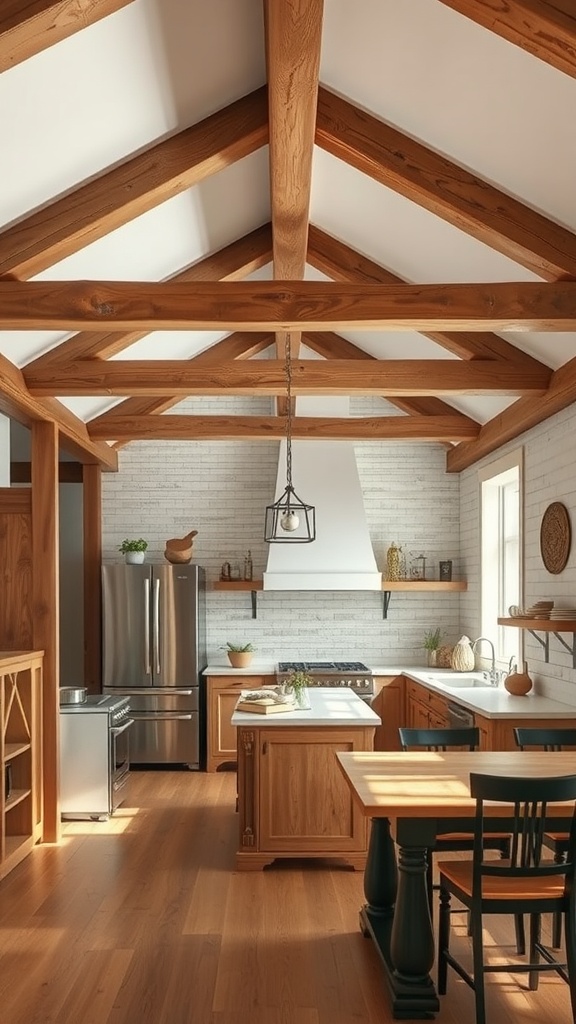
Ceiling beams are one of the most dramatic things you can do to a kitchen without touching a single cabinet or countertop. They draw the eye upward, add architectural interest, and instantly make a space feel more substantial and characterful. In an open-plan kitchen or one with high ceilings, they can be genuinely transformative.
You don’t need original beams to get this look. Hollow faux wood beams are widely available, much lighter than solid timber, and easier to install. They come in a huge range of finishes from pale pine to dark walnut. For a natural look, space them evenly and run them in the same direction as your longest wall.
One thing to keep in mind: beams can make a ceiling feel lower if your room is already on the compact side. In smaller kitchens, stick to lighter wood tones and fewer beams to avoid closing in the space.
Mid-Century Modern Wood Furniture
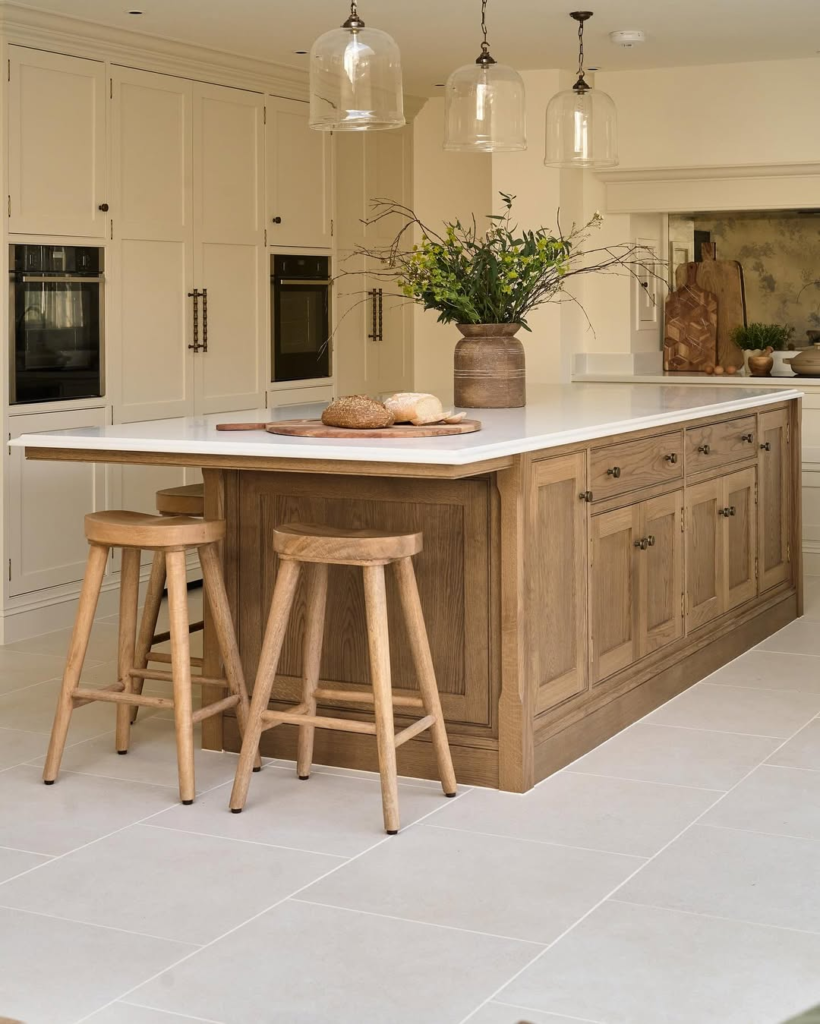
Mid-century modern is one of those styles that never really goes out of fashion, and wood is absolutely central to getting it right. The key is choosing pieces with tapered legs, clean lines, and warm wood tones, think teak, walnut, or oak in a satin rather than glossy finish. Paired with muted accent colors like teal, mustard, or olive, the result feels both retro and completely current.
In a kitchen, mid-century style translates beautifully into bar stools, a dining table, or open shelving with simple hardware in brushed brass or black. You don’t need to match every piece, mixing similar wood tones actually feels more authentic to the era.
The pitfall to avoid is going too matchy-matchy. Mid-century style looks curated and intentional, not like a showroom set. Choose a couple of key statement pieces and let them anchor the room rather than filling every corner with the aesthetic.
Classic Shaker Style Cabinets
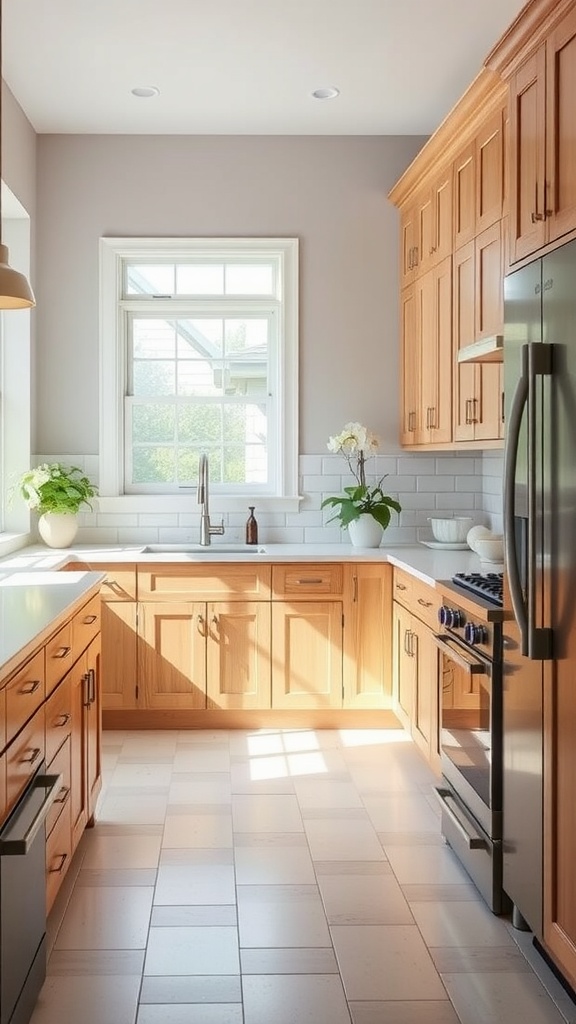
Shaker cabinets are the reliable backbone of kitchen design for a reason. Their simple recessed panel door and clean frame work with almost every style, from traditional farmhouse to modern minimalist, which makes them an incredibly safe investment if you’re planning to stay in your home long term. In a natural wood finish, they feel warm and timeless without ever feeling dated.
For the most cohesive look, pair natural wood Shaker cabinets with simple hardware in a complementary metal finish. Brushed nickel or matte black both work well. If you want to soften the overall look, consider painting upper cabinets white and keeping the wood finish on the lower units only, this two-tone approach is very popular right now.
Shaker cabinets in real wood veneer or solid wood will always look better than MDF versions, but they do come at a cost. If budget is a consideration, a good quality MDF Shaker in a wood-effect wrap can be a reasonable middle ground, just avoid anything too plasticky looking up close.
Two-Tone Wood and White Designs
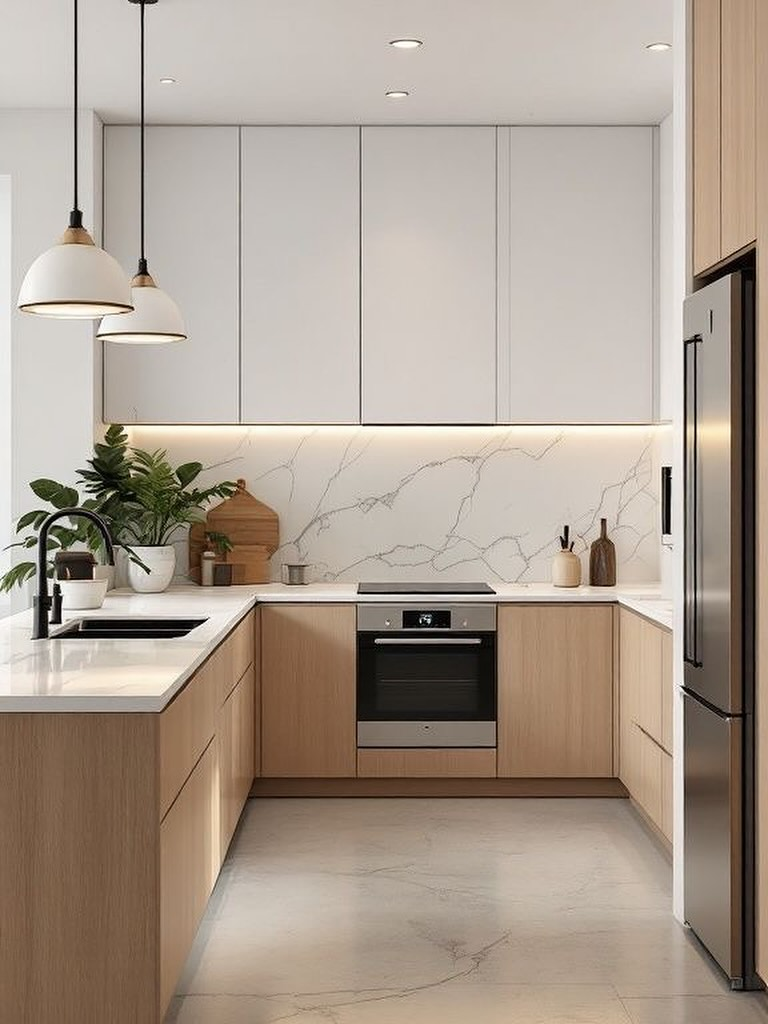
Two-tone kitchens feel fresh and considered in a way that all-one-color kitchens sometimes don’t. Pairing wood lower cabinets with white uppers is probably the most popular combination right now, and for good reason, it keeps the room feeling light while the wood grounds it and stops it from feeling clinical.
The key to making it work is choosing complementary undertones. Warm white uppers pair naturally with warm-toned woods like oak or walnut. Cool whites work better alongside lighter, more neutral wood tones like ash or maple. Getting this wrong can make the combination look slightly off without being able to put your finger on why.
Hardware is where you can have real fun with this look. Mixing matte black handles on the wood lowers with brass or unlacquered fittings on the white uppers adds an extra layer of intentionality that elevates the whole kitchen.
Elegant Wood Countertops
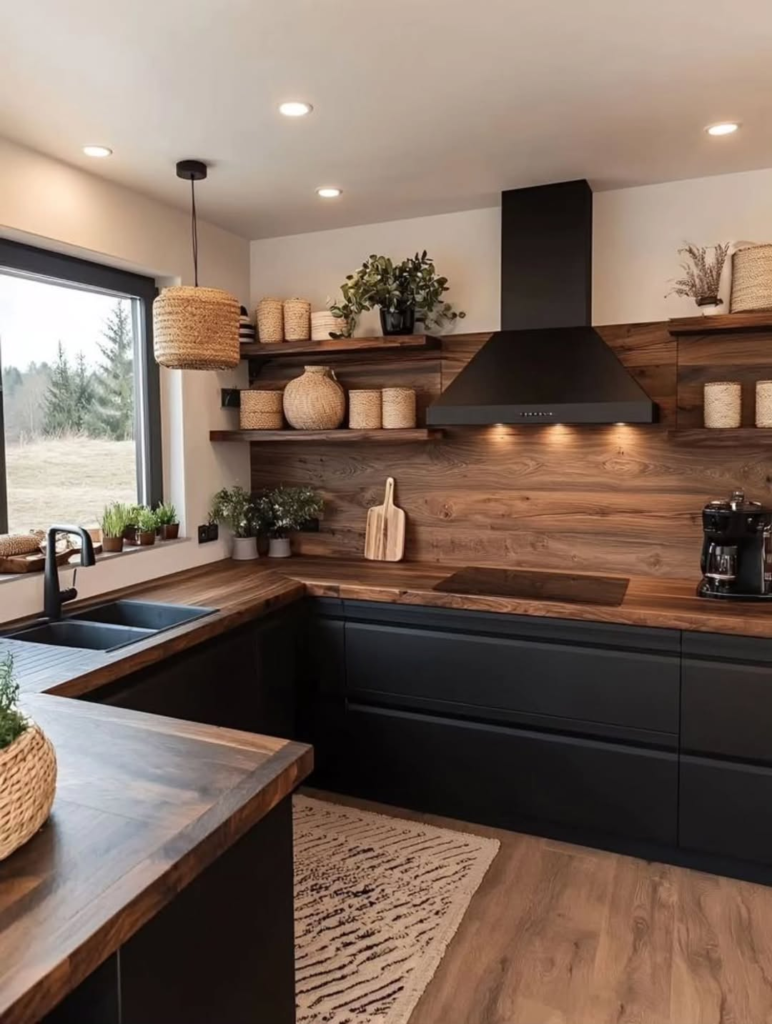
Wood countertops — often called butcher block — bring a warmth to a kitchen that stone and laminate simply can’t replicate. They’re also gentler on glassware and knives, which makes them genuinely practical as well as beautiful. In a white or neutral kitchen they act as a natural focal point, and in an already-wood-heavy kitchen they add cohesion.
Hardwoods like maple, walnut, and teak are the most popular choices because they’re dense, durable, and take oil finishes well. For the best longevity, treat your countertop with food-safe mineral oil or a dedicated butcher block oil every few months to prevent drying and cracking.
The honest consideration with wood countertops is that they require more care than stone. They can stain, scratch, and warp if left wet for extended periods. They suit people who are willing to be mindful about maintenance — and the good news is that surface scratches can be lightly sanded out, which is something you simply can’t do with granite or quartz.
Rustic Reclaimed Wood Features
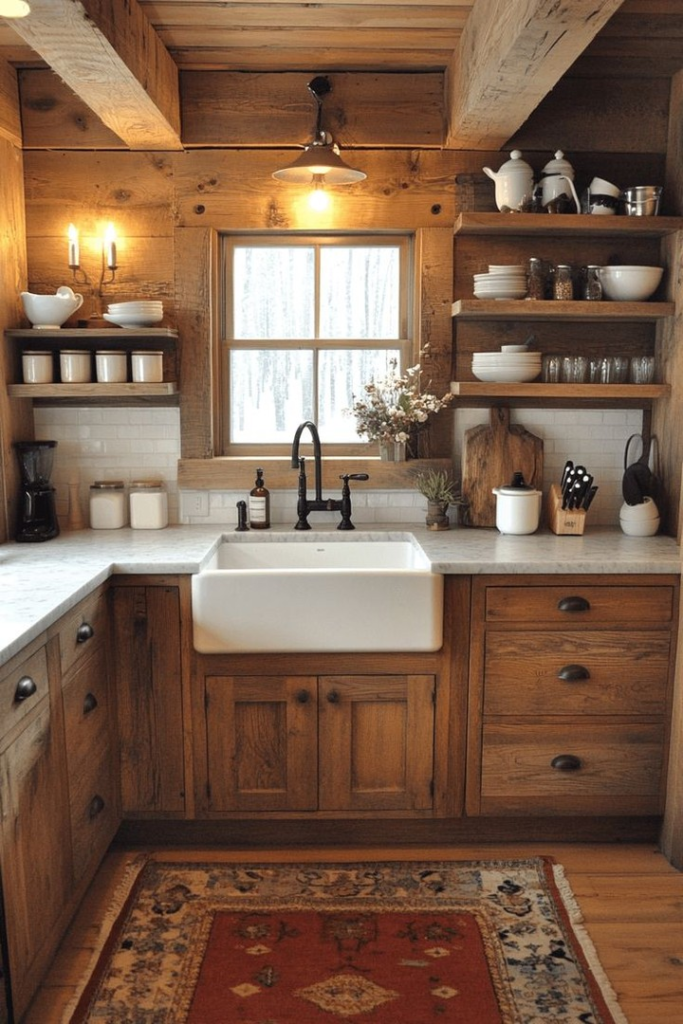
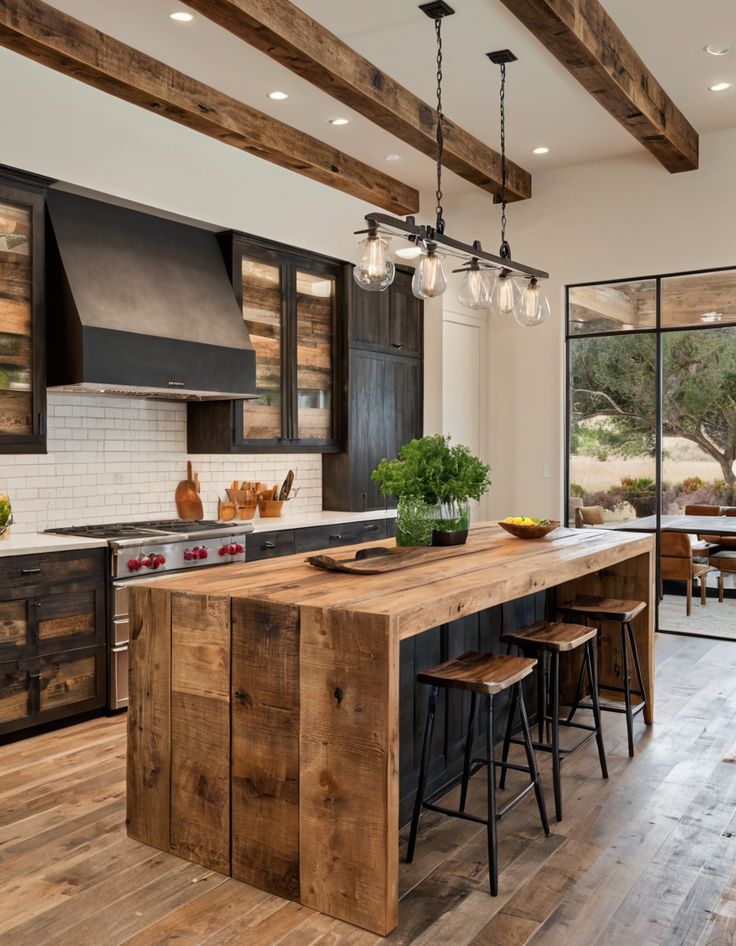
Reclaimed wood brings something genuinely unique into a kitchen, history, texture, and character that no new material can replicate. Whether it’s used for open shelving, a kitchen island, ceiling beams, or cabinet fronts, reclaimed timber has an authenticity that feels warm and grounded rather than trend-driven.
You can source reclaimed wood from architectural salvage yards, specialist reclaimed timber suppliers, or even online marketplaces. Look for pieces that have been properly dried and treated to avoid issues with warping or pests. Many suppliers now sell reclaimed wood shelving ready to hang, which makes it much more accessible for a DIY project.
The thing to watch is consistency, reclaimed wood by nature is varied in colour and grain, which is part of its charm. But if you’re using it across a large surface, make sure you view enough boards together to check the overall tone before committing.
Sleek Minimalist Wood Cabinets
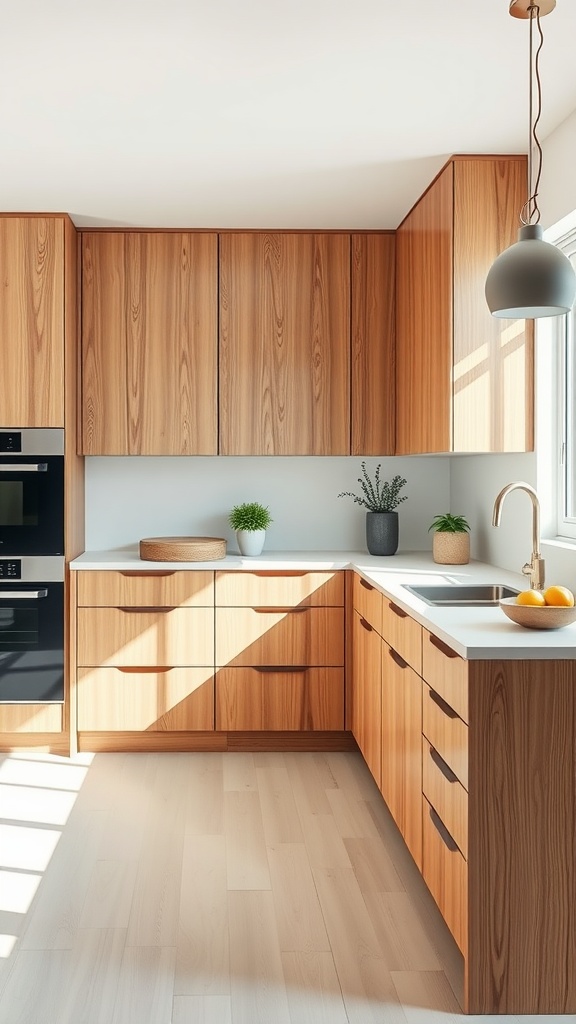
Minimalist wood kitchens are one of the most sophisticated looks you can achieve right now. The idea is to let the quality and grain of the wood speak for itself, with no visible handles, simple slab-front doors, and a restrained colour palette. The result feels calm, expensive, and very considered.
To pull this off, the wood species and finish matter enormously. Handleless kitchens in pale oak with a matte lacquer finish are probably the most popular version of this look. Push-to-open mechanisms or integrated J-pull handles keep the lines completely clean. Pair with a matching wood or stone-effect worktop and invisible integrated appliances for the full effect.
This is one style where cutting corners shows. Cheap wood-effect laminate in a handleless kitchen looks very different from real oak veneer. If budget is limited, it’s worth scaling back the scope of the renovation rather than compromising on material quality, fewer well-made cabinets will always look better than a full kitchen in inferior materials.
Mixing Textures with Wood Elements
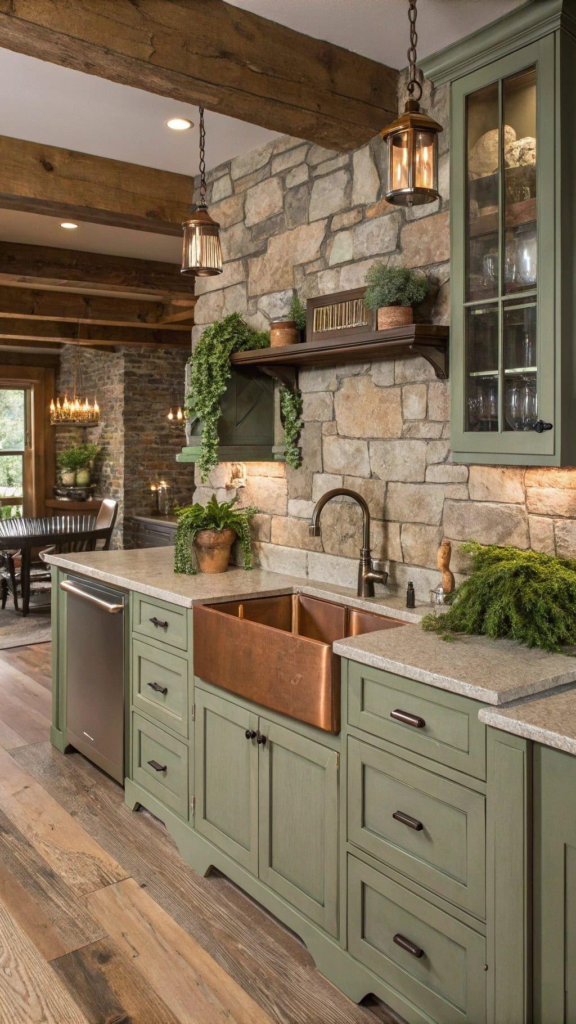
One of the most interesting things you can do in a kitchen is mix materials thoughtfully, and wood is the perfect anchor for a textural mix. Pairing wood with stone, concrete, brick, or metal creates a layered richness that feels curated and individual rather than straight out of a showroom.
A classic combination is wood cabinetry with a stone or marble-effect backsplash and matte metal hardware. Another favourite is wood shelving against an exposed brick wall. The key principle is to vary the textures while keeping the colour palette controlled — too many competing materials in too many colours quickly becomes overwhelming.
Start with two textures and add a third only if the room feels like it needs it. Less is almost always more with this approach, and the restraint is what makes it look intentional rather than accidental.
Farmhouse Style with Wood Details
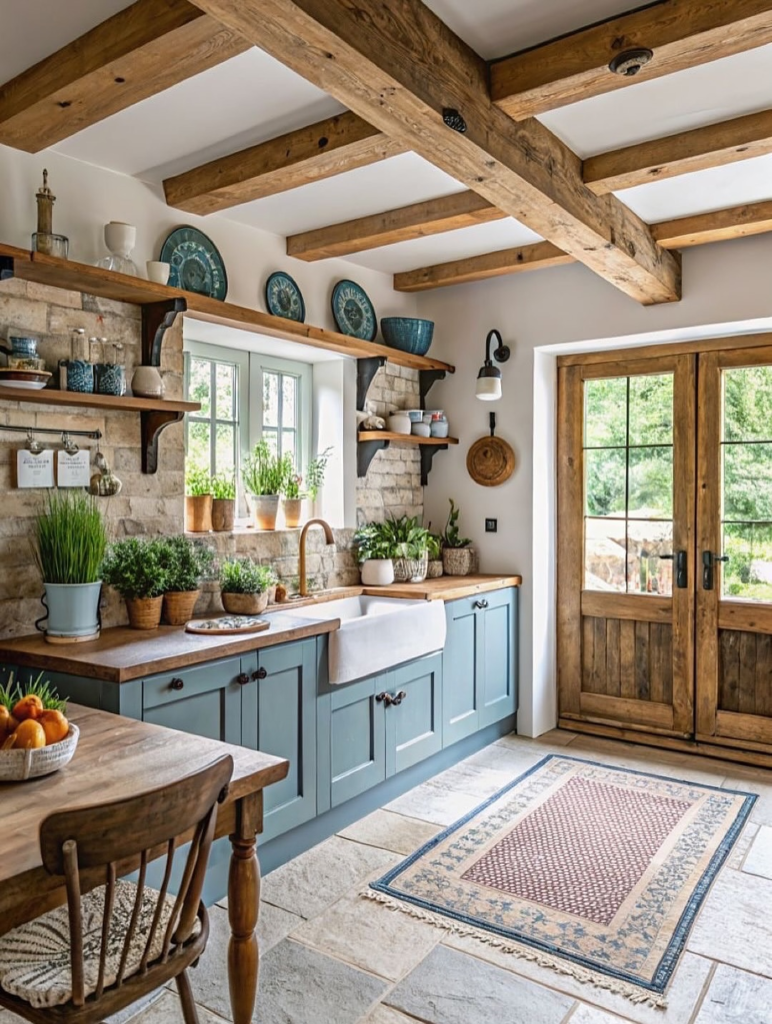
Farmhouse kitchens feel so enduringly popular because they tap into something most of us genuinely want from a kitchen, a space that’s warm, welcoming, and built for real life rather than aesthetics alone. Wood is central to achieving that feeling, whether through open shelving, a chunky butcher block island, exposed ceiling beams, or simple shaker-style cabinetry.
For a cohesive farmhouse kitchen, stick to a palette of whites, creams, and warm neutrals with wood as the natural accent. Unlacquered brass or oil-rubbed bronze hardware complements the look beautifully. A Belfast or apron-front sink is almost obligatory and makes a huge impact.
The one thing to avoid is going too themed. A farmhouse kitchen should feel like a real home, not a stage set. Choose pieces you genuinely love and that work together rather than ticking every farmhouse checkbox at once.
Scandinavian Inspired Wood Designs
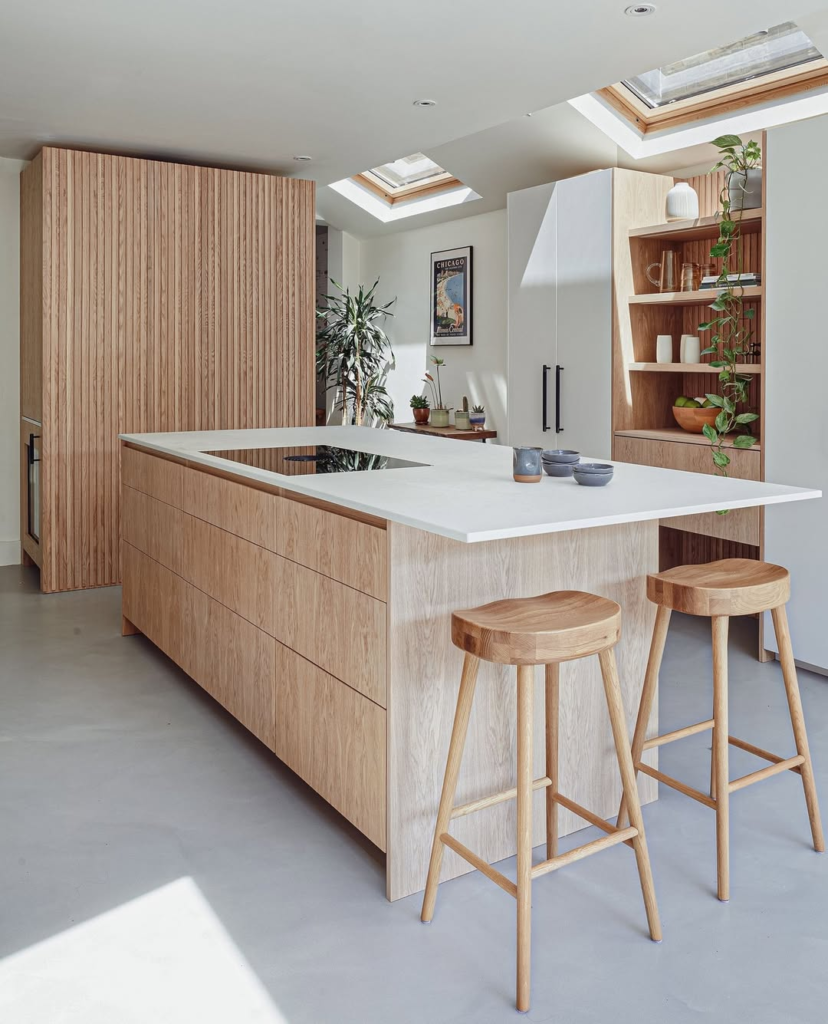
Scandinavian kitchen design is built on the principle that beautiful things should also be functional, and wood is one of its most important tools. Light wood tones — particularly pale oak, birch, and ash — create a sense of calm and cleanliness that feels effortlessly elegant. The palette is typically soft white, warm grey, or muted sage alongside the wood, keeping everything serene.
To achieve this look, focus on quality over quantity. Scandinavia-inspired kitchens tend to have less on the countertop, better-organised storage, and carefully chosen accessories. A single vase of dried botanicals, a simple wooden utensil holder, and clean-lined pendant lights are all you need to dress the space.
The temptation with this style is to make it feel cold or stark. Warm it up with natural textiles — a linen tea towel, a woven runner rug, some rattan or wicker storage — which add texture without disrupting the minimal feel.
Wood Accents in Contemporary Spaces
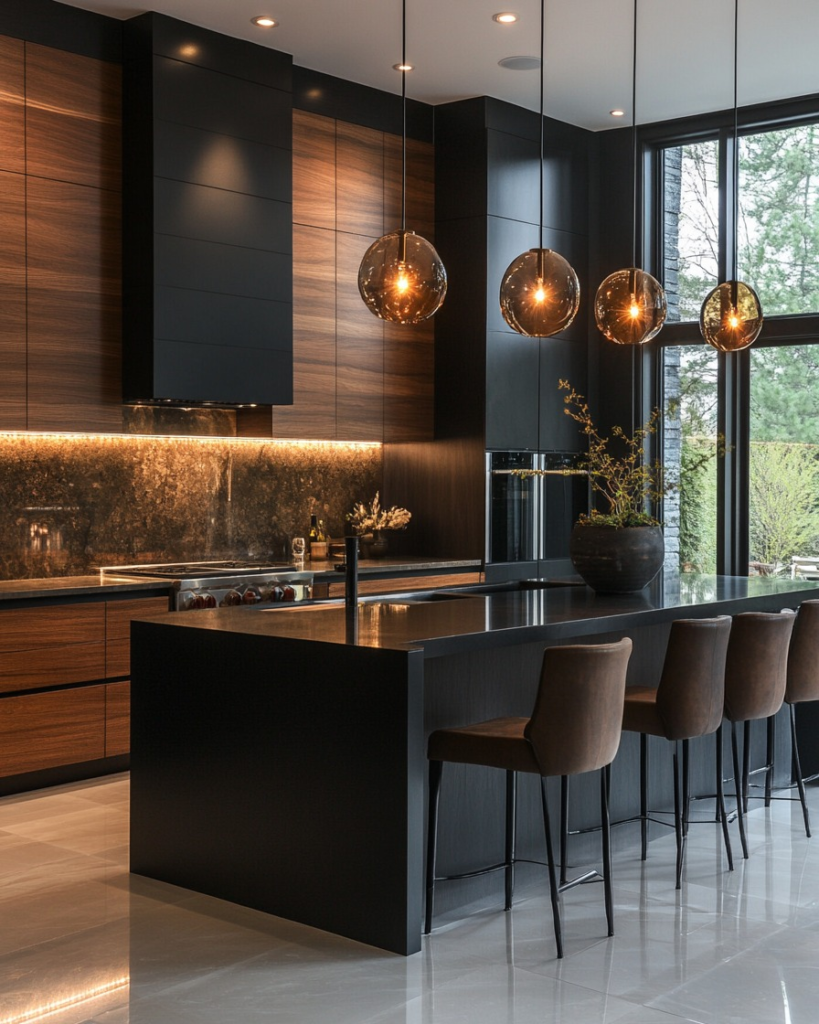
Contemporary kitchens can sometimes feel a little cold or corporate, and wood is the easiest antidote. Even a small amount — a wood hood surround, open shelving in a sea of handle-free white cabinetry, or a wood-topped island — introduces enough warmth to make a modern kitchen feel genuinely liveable.
The trick in a contemporary space is to treat the wood as a deliberate accent rather than a dominant feature. Choose one or two locations to introduce it and keep everything else clean and neutral. This creates contrast that makes the wood pop rather than blending into the background.
Dark-toned woods like walnut or smoked oak tend to work particularly well in contemporary settings because they feel sophisticated and weighty without being heavy. Pair with concrete, matte stone, or lacquered cabinetry for maximum impact.
Integrating Wood into Modern Designs
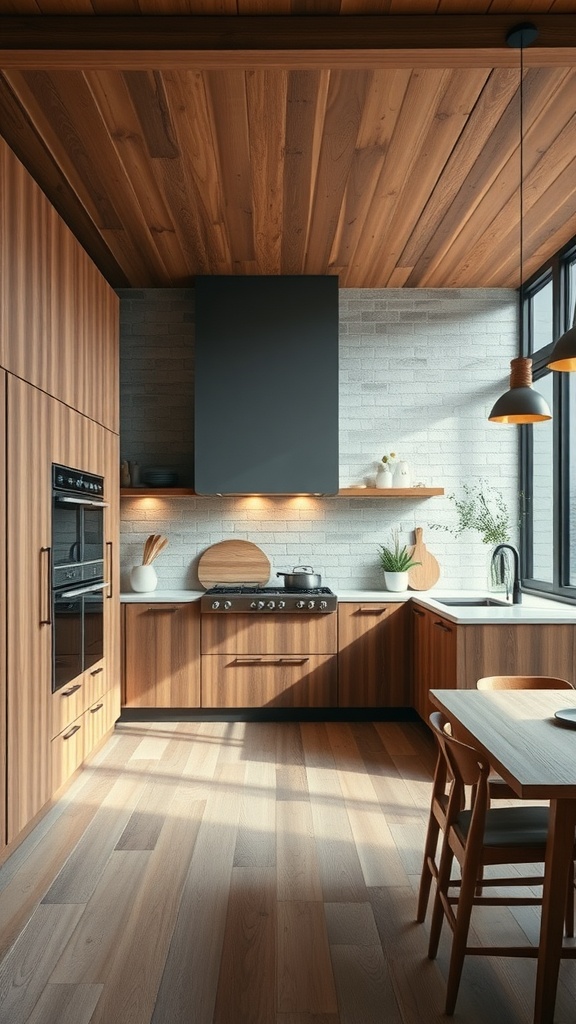
Fully integrating wood into a modern kitchen, using it across cabinetry, ceiling, and even flooring, creates a cocoon-like warmth that feels incredibly contemporary in the best Scandinavian and Japanese-influenced interiors. When done well, it’s one of the most impressive looks a kitchen can achieve.
The key to making this work without it feeling like a log cabin is to keep the wood species consistent and the finish uniform. Using the same oak veneer across your cabinets, island, and ceiling panels creates a sophisticated seamlessness. Vary the direction, horizontal on cabinets, vertical on an island end panel, to add visual interest without introducing a different material.
Lighting is crucial here. Wood-heavy kitchens need good natural light or warm artificial lighting to feel welcoming rather than dark. If your kitchen is north-facing or short on windows, compensate with under-cabinet lighting and pendant lights in warm white tones.
Bold Wood Islands as Focal Points
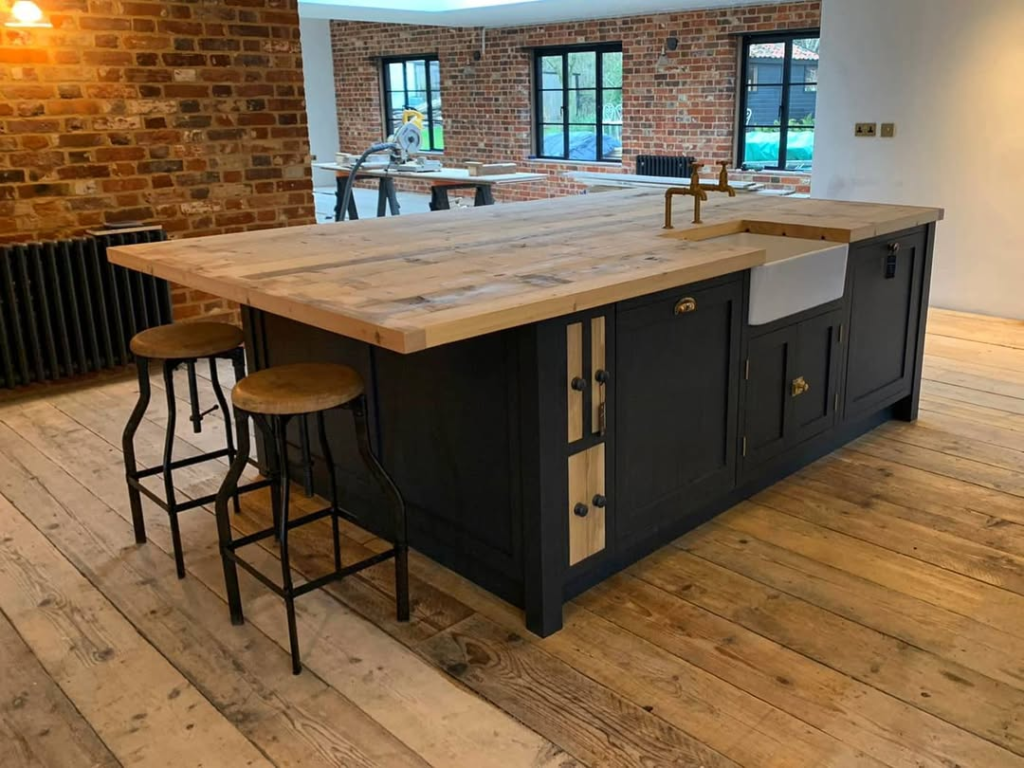
A wood kitchen island is one of the most impactful single investments you can make in a kitchen. It draws the eye immediately, creates a clear social hub for the room, and introduces warmth in a very concentrated, intentional way. Even in a mostly white or neutral kitchen, a wood island becomes the statement that ties everything together.
For maximum impact, choose a wood tone that contrasts slightly with your cabinetry, a warm walnut island in a white or sage kitchen is a classic combination that always works. Oversized pendant lights above the island in a complementary finish complete the look and reinforce it as the room’s centrepiece.
Size matters more than most people realise. An island needs adequate circulation space around it, ideally at least 90cm on all sides otherwise it makes the kitchen feel cramped rather than impressive. If your kitchen is on the smaller side, consider a wood-topped kitchen cart or moveable butcher block table instead, which gives you the same warmth with more flexibility.
Bright and Airy Wood Interiors
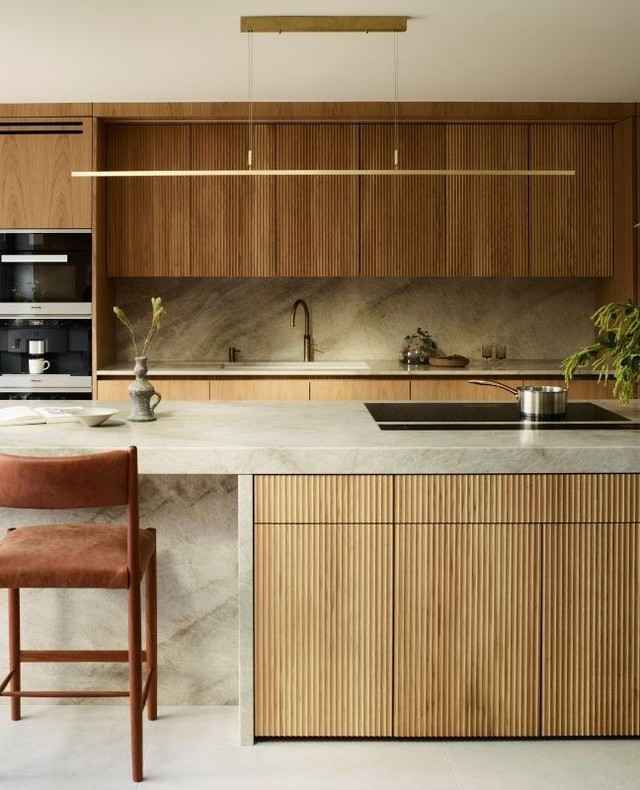
To maximise the airy feel, choose wood species with a lighter natural tone such as ash, maple, or light oak rather than pine, which can yellow over time. Keep window treatments minimal or nonexistent in the kitchen if privacy allows, natural light is your most powerful tool in this style.
The challenge is keeping it from feeling too bland or beige. Introduce interest through texture rather than color, a subtly grained wood, a woven pendant shade, a stone or terrazzo worktop, which adds depth without disrupting the light, bright quality of the space.
Traditional Wood Paneling
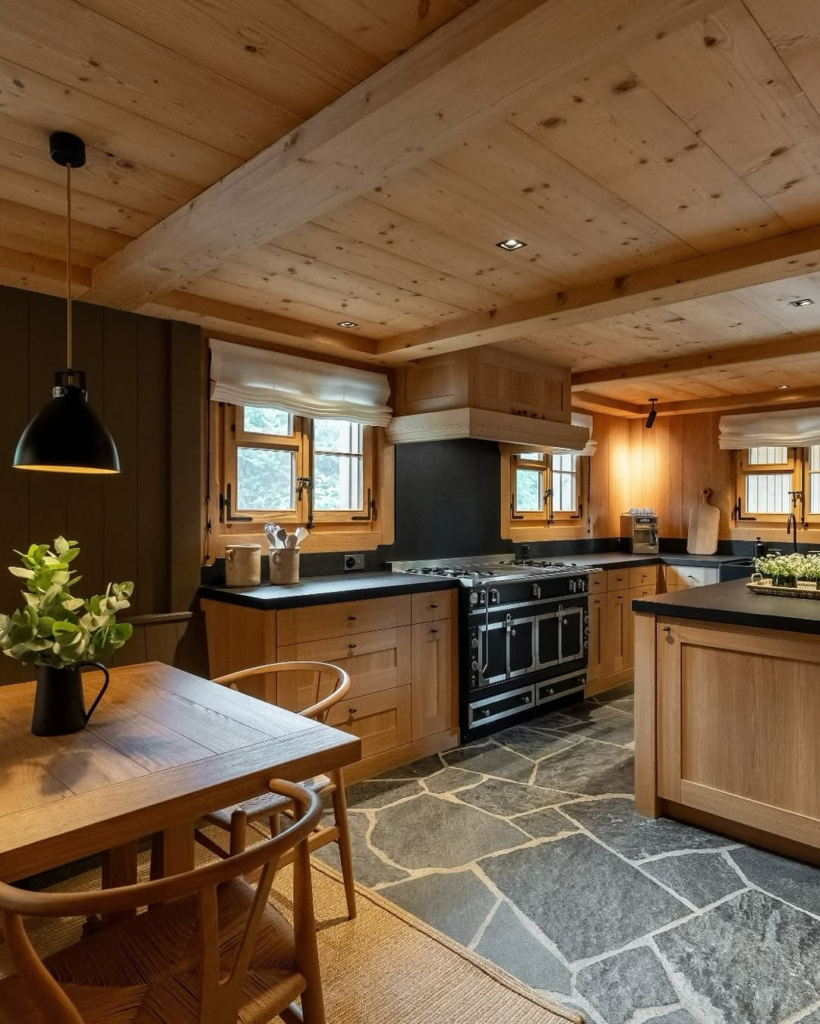
Wood paneling in a kitchen adds an architectural richness that painted walls simply can’t replicate. Used on a feature wall, around a kitchen island, or as a full surround for a range cooker, it instantly makes a kitchen feel more considered and permanent. In darker, richer tones like mahogany or walnut stain, it creates a genuinely grand effect.
For a traditional feel, raised panel or beadboard paneling works beautifully and is relatively accessible as a DIY project. Paint it out for a more subtle effect, or leave it in a natural or stained finish for maximum impact. Pair with classic hardware and a stone worktop to complete the traditional look.
One thing to think about in a traditional paneled kitchen is ventilation. Wood and steam are not natural friends, so a good extractor fan and regular sealing or painting of any exposed wood near the hob will keep the paneling looking its best for years.
Natural Wood Finishes for Soft Elegance
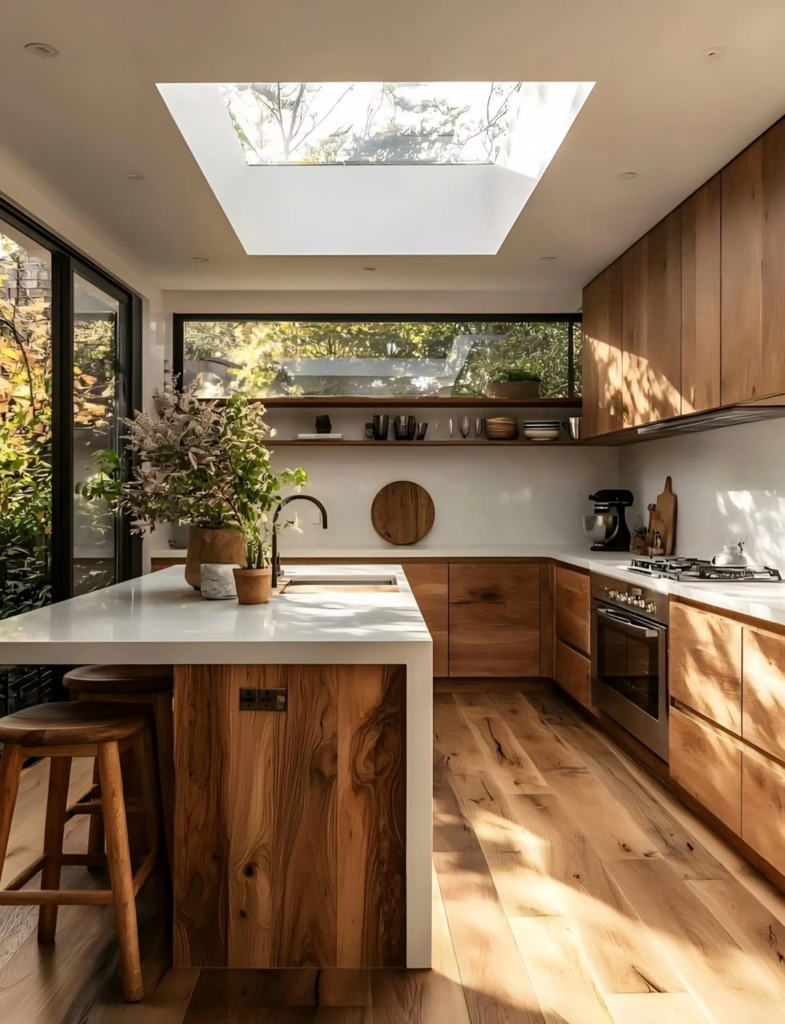
There’s a quiet confidence to a kitchen finished in natural, unfussy wood, no bold colour, no statement hardware, just the honest beauty of the material itself. This approach works particularly well in homes that prioritise calm and simplicity, where the kitchen is a retreat rather than a showpiece.
The secret is in the finish. A matte or satin lacquer preserves the natural grain without adding any artificial shine, which keeps the look grounded and organic. Paired with soft, natural lighting and simple greenery like a potted herb or trailing plant, this style feels genuinely serene.
Because the wood is the star, any imperfections in the material or finish will be visible. This is a look that rewards investing in quality, whether that’s a solid wood or a high-grade veneer, rather than a wood-effect laminate, which will always look slightly flat by comparison.
Artisan Crafted Wood Elements
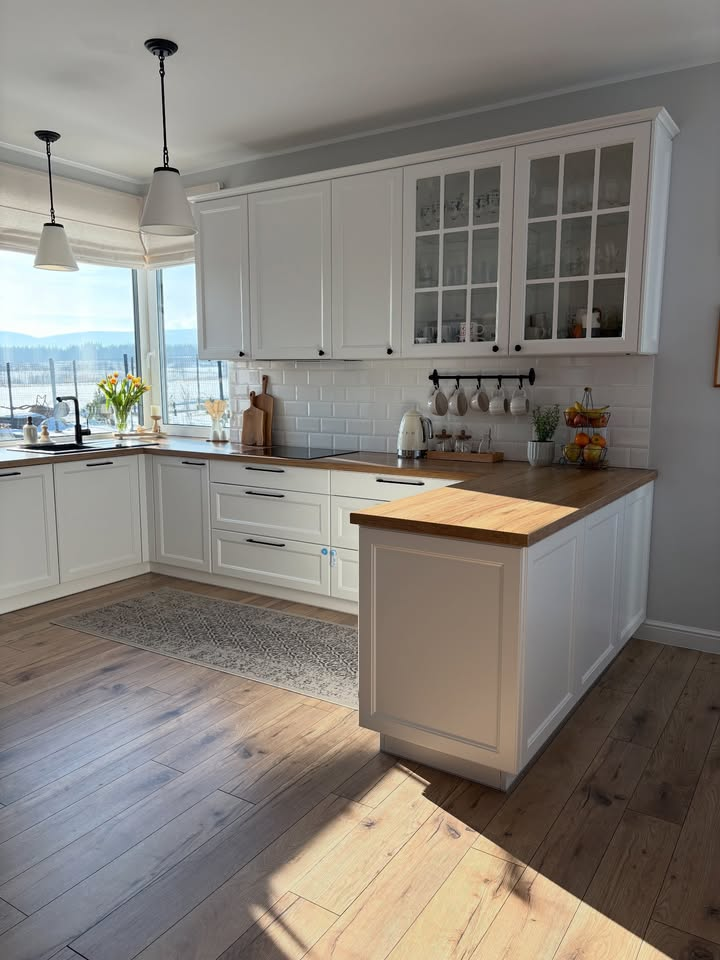
There’s a tangible difference between a mass-produced kitchen and one that incorporates handcrafted wood elements. Whether it’s hand-carved cabinet doors, a bespoke wooden range hood, or artisan-made open shelving with hand-finished edges, craftsmanship adds a soul to a kitchen that no amount of budget spent on standard units can replicate.
If a fully bespoke kitchen is out of reach, consider commissioning one or two artisan pieces within an otherwise standard kitchen. A local carpenter can often make a custom island, shelving unit, or even a beautiful wooden mantel surround for a range cooker at a surprisingly accessible price compared to full bespoke cabinetry.
The thing to remember is that handmade pieces take time. If you’re working to a renovation timeline, commission artisan elements early and build lead times into your schedule, rushing bespoke work rarely ends well.